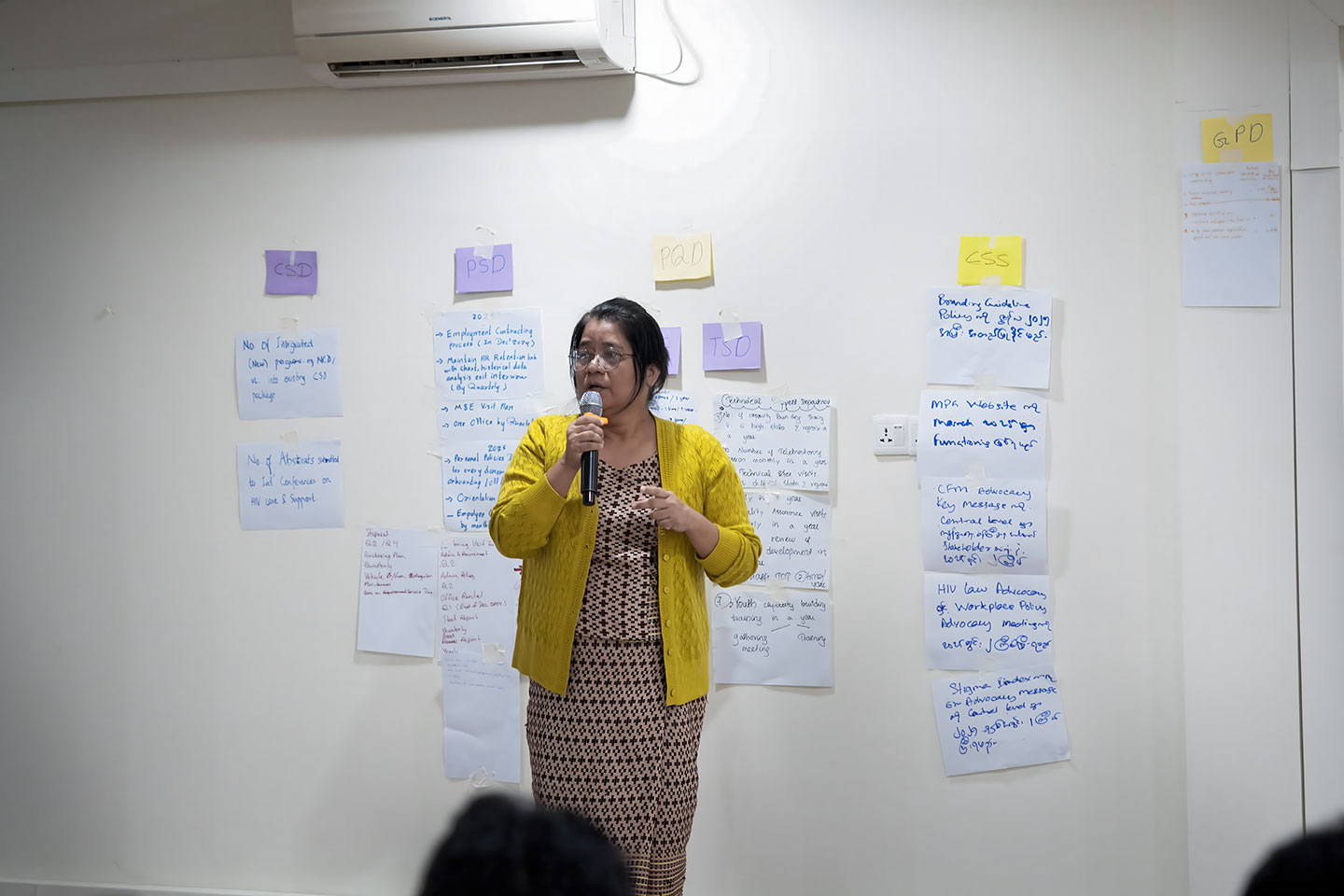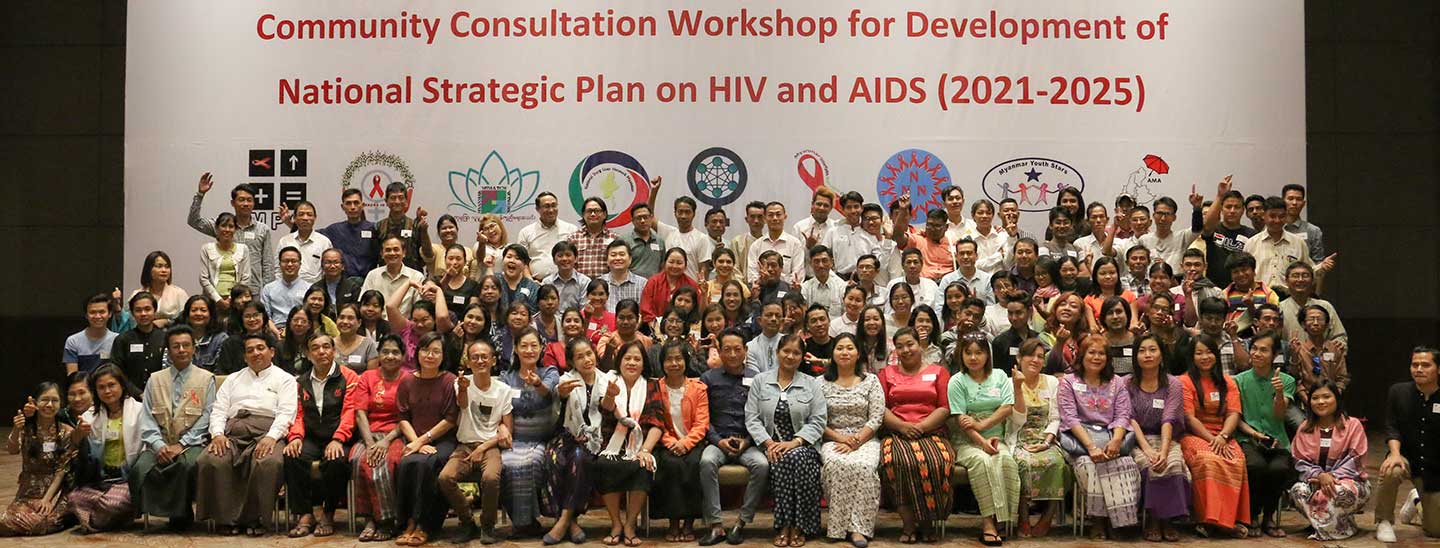
To strengthen multisectoral integration, gender and human rights-based approaches, and people-centered community health systems under Strategic Direction, MPG provides intervention focused on the Community System Strengthening (CSS) strategy. This will help scale up KP-led services, enhance community engagement—particularly through self-help groups—and facilitate the transition from INGO to local KP community networks.
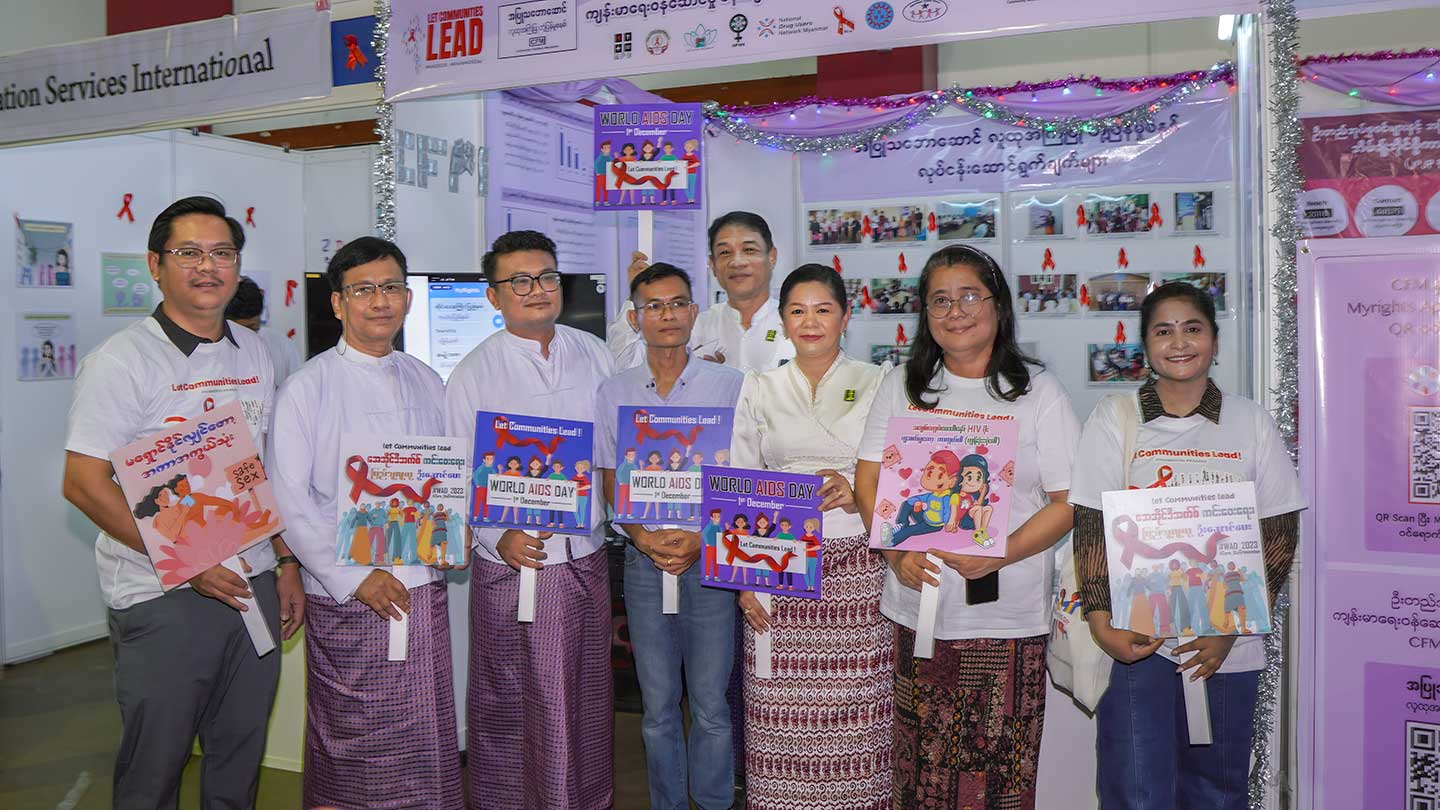
In support of the vision to transition from INGOs to local NGOs and CBOs, and to achieve the target of ensuring 30% of all service delivery is community-led by 2025, we recognize the need for investments in CSS strategies. These strategies include training, mentoring, and institutional development for KP and PLHIV-led networks to ensure community-led service delivery. Additionally, we aim to strengthen community engagement by supporting self-help groups at the local level.
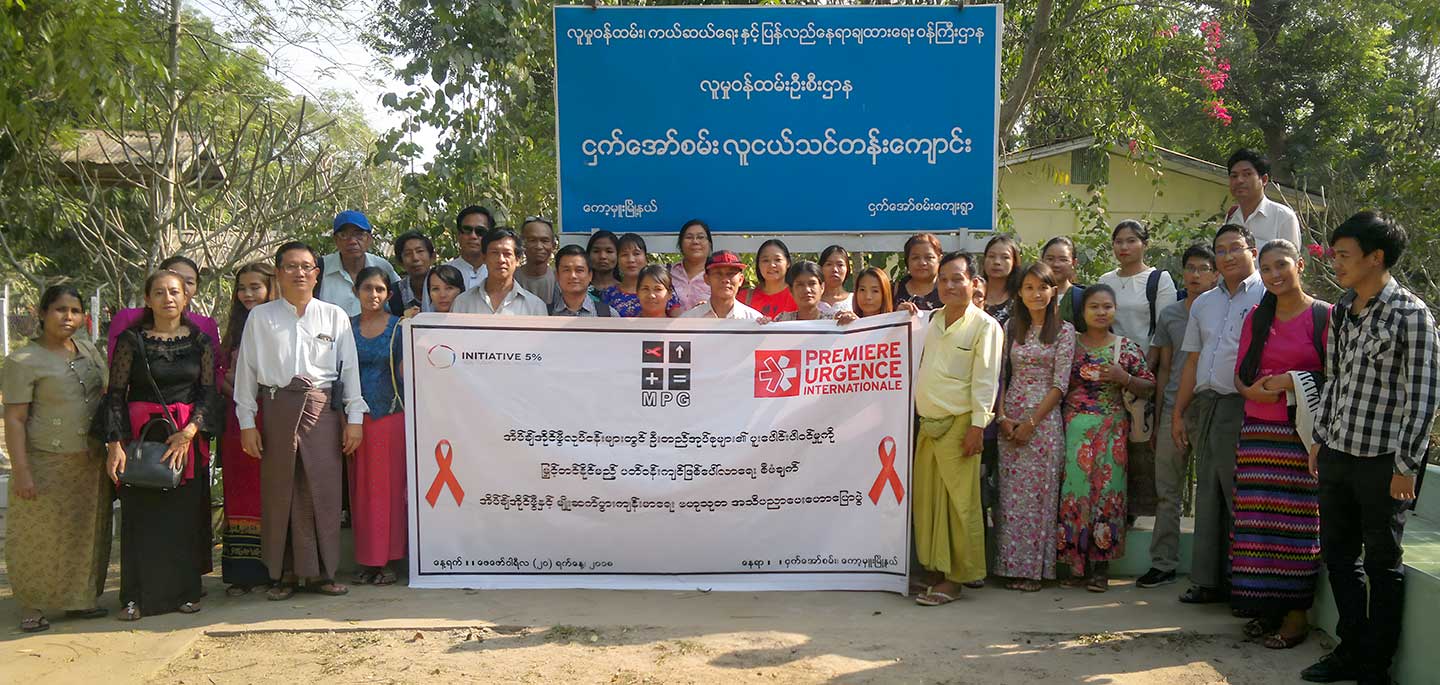
Through this grant, KPC, with technical support from SC-PR, UNAIDS, and ICAP and in collaboration with MPG-SR, will work to empower communities and build capacity by conducting leadership development activities.
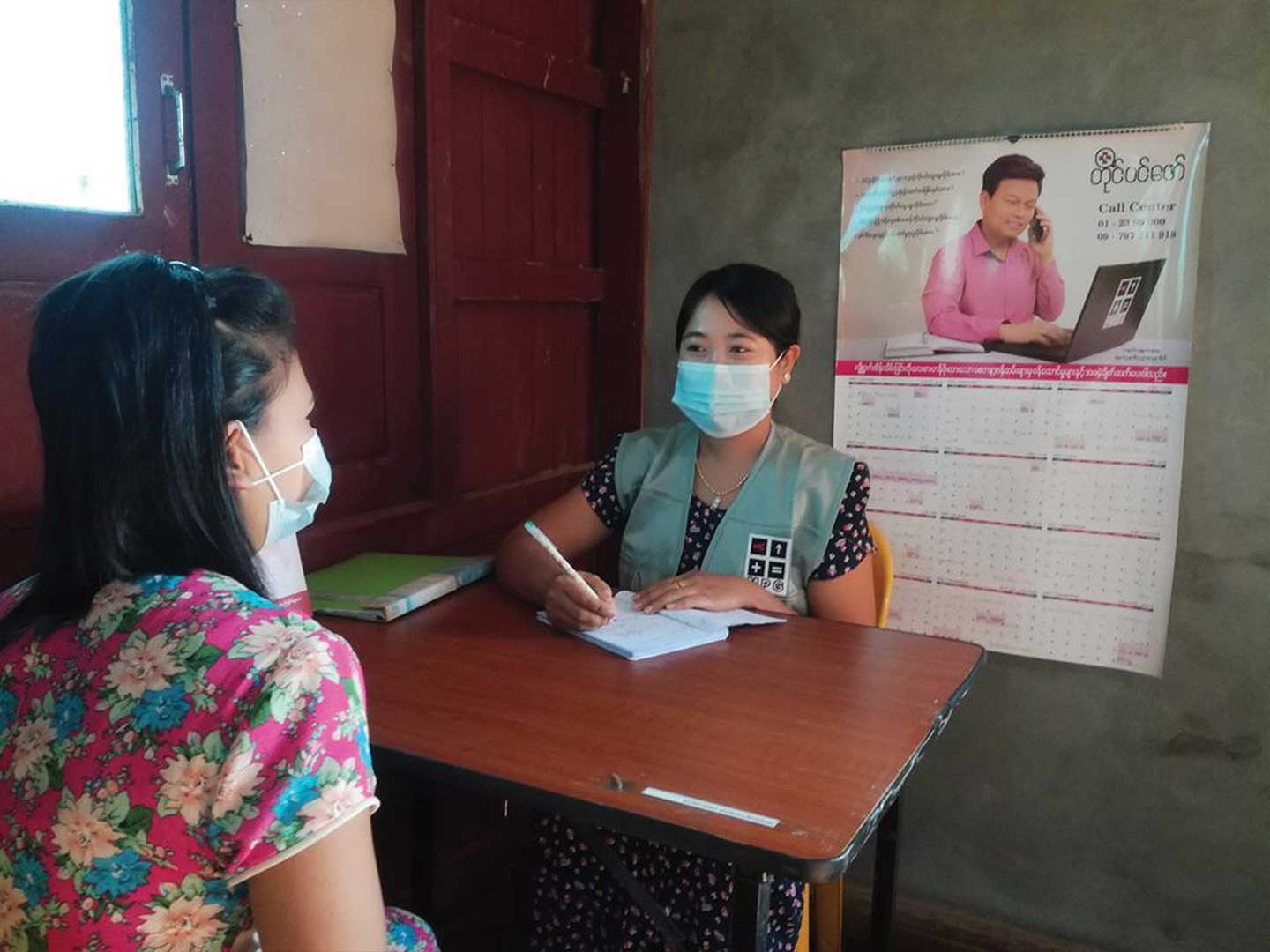
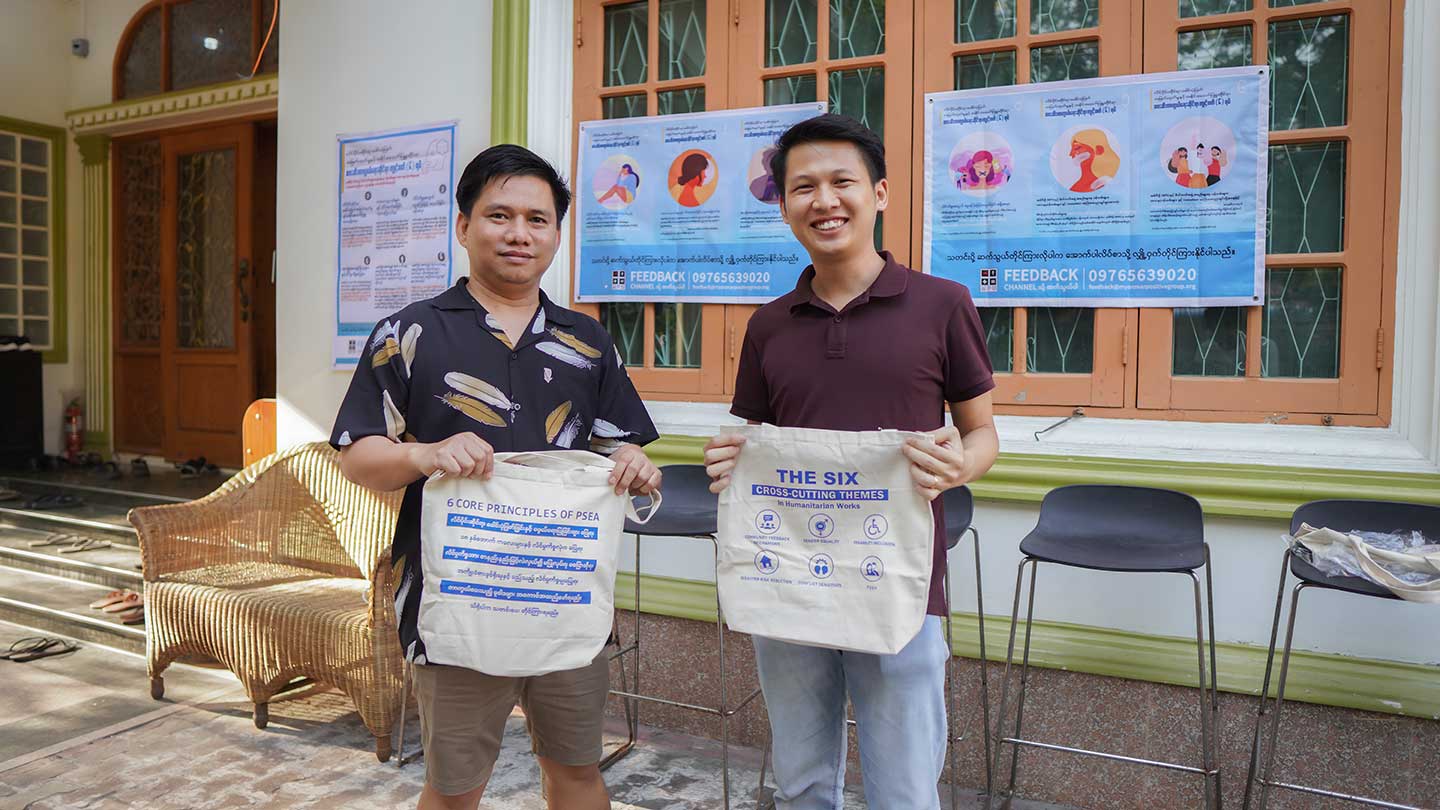
We will also enhance the Community Feedback Mechanism (CFM), globally recognized as community-led monitoring, to provide constructive feedback for improving health and social determinants affecting HIV-infected and affected populations, including KPs. This includes a specific focus on monitoring service access barriers, supported by external technical resources, while GF funding will be utilized for implementation.
As pioneers with extensive experience in Community Feedback Mechanism (CFM) activities in Myanmar through the Community Network Consortium (CNC), we propose the continuation of the current CFM program under GC7. We also aim to strengthen key areas of the program, particularly in advocacy for structural changes and raising awareness.
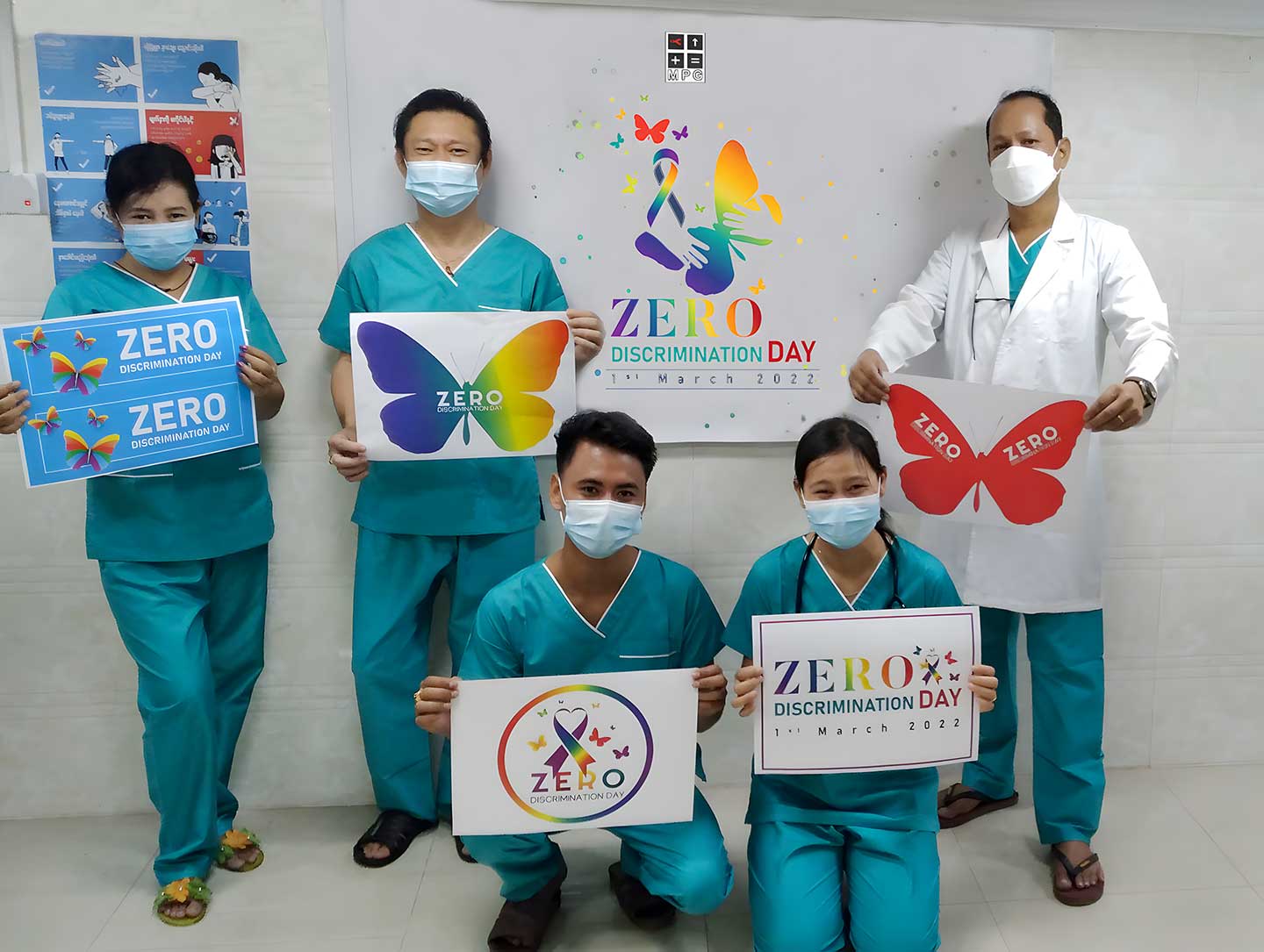
CFM interventions will continue to address stigma and discrimination, human rights and gender-related barriers, inequities, and vulnerabilities in accessing services. These interventions will also focus on tackling legal and policy barriers at both local and individual levels.
Additionally, we will ensure the annual analytical report of CFM findings is disseminated and submitted to relevant technical working groups for structural change and constructive feedback. Findings, lessons learned, and case studies from CFM will feed into law and policy reform processes, guided by our dedicated Advocacy team under the direction of CNC. At MPG, we are committed to ensuring these efforts drive meaningful change for the communities we serve.